Maquillaje, the Spanish word for makeup, is much more than applying foundation or lipstick. It is a form of self-expression that allows people to highlight their natural beauty, experiment with different styles, and boost confidence. Whether you are preparing for a casual day at work, a special event, or a glamorous evening, learning the basics of maquillaje can help you achieve a flawless appearance.
Today, makeup has become a part of daily beauty routines for millions of people worldwide. With countless products, techniques, and trends available, beginners may feel overwhelmed. This guide covers everything you need to know about maquillaje, from essential products and application tips to common mistakes and skincare preparation.
What Is Maquillaje?
Maquillaje refers to the use of cosmetic products to enhance facial features. Modern makeup includes products designed for the face, eyes, lips, and brows. While makeup has existed for thousands of years, today’s products are safer, more diverse, and suitable for every skin type and tone.
The purpose of maquillaje isn’t to hide imperfections but to emphasize your unique features while expressing your personality.
Why People Love Maquillaje
There are many reasons why maquillaje has become an important part of beauty routines.
Boosts Confidence
A polished makeup look often helps people feel more confident in social gatherings, interviews, or important events.
Enhances Natural Beauty
Rather than changing your appearance completely, quality makeup enhances your eyes, lips, cheekbones, and complexion.
Encourages Creativity
Makeup allows endless creativity through different colors, textures, and styles.
Suitable for Every Occasion
From minimal everyday makeup to dramatic evening glam, maquillaje adapts to every situation.
Preparing Your Skin Before Makeup
Beautiful maquillaje begins with healthy skin.
Cleanse
Wash your face using a gentle cleanser to remove dirt and excess oil.
Moisturize
Hydrated skin creates a smooth base for foundation.
Apply Sunscreen
Daytime makeup should always include sunscreen to protect against harmful UV rays.
Use Primer
Primer helps makeup last longer while minimizing the appearance of pores.
Essential Makeup Products
Understanding each product helps create a balanced makeup routine.
Foundation
Foundation creates an even complexion.
Choose according to:
- Skin tone
- Skin type
- Desired coverage
Liquid foundations are popular because they blend easily.
Concealer
Concealer covers:
- Dark circles
- Acne marks
- Redness
- Pigmentation
Apply only where needed for a natural finish.
Setting Powder
Powder locks foundation into place and reduces shine.
Loose powder works well for oily skin, while pressed powder is convenient for touch-ups.
Blush
Blush adds warmth and healthy color to the cheeks.
Popular shades include:
- Peach
- Rose
- Coral
- Soft pink
Bronzer
Bronzer creates warmth and subtle definition.
Apply lightly along:
- Forehead
- Jawline
- Cheekbones
Highlighter
Highlighter gives skin a radiant glow.
Best placement includes:
- Cheekbones
- Nose bridge
- Brow bone
- Cupid’s bow
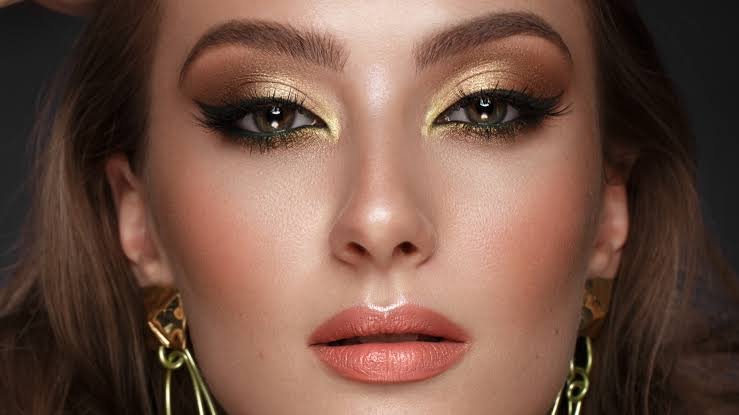
Eye Makeup Essentials
Eyes often become the focal point of maquillaje.
Eyeshadow
Eyeshadow comes in many finishes:
- Matte
- Shimmer
- Metallic
- Glitter
Neutral shades are ideal for everyday wear.
Eyeliner
Eyeliner defines the eyes.
Popular styles include:
- Pencil
- Gel
- Liquid
- Felt-tip pen
Winged eyeliner remains a timeless favorite.
Mascara
Mascara adds:
- Length
- Volume
- Curl
Apply two thin coats instead of one heavy layer.
Eyebrow Products
Well-shaped eyebrows frame the face beautifully.
Common products include:
- Brow pencil
- Brow powder
- Brow gel
- Brow pomade
Lip Makeup
Lips complete any makeup look.
Popular lip products include:
Lipstick
Available in:
- Matte
- Satin
- Cream
- Glossy
Lip Gloss
Provides shine and fuller-looking lips.
Lip Liner
Defines lip shape while preventing lipstick from feathering.
Step-by-Step Everyday Maquillaje Routine
Creating a simple makeup look doesn’t require professional skills.
Step 1
Clean and moisturize your face.
Step 2
Apply primer.
Step 3
Use foundation evenly.
Step 4
Conceal dark circles and blemishes.
Step 5
Set everything with powder.
Step 6
Apply blush.
Step 7
Add bronzer if desired.
Step 8
Highlight key facial points.
Step 9
Fill eyebrows naturally.
Step 10
Apply neutral eyeshadow.
Step 11
Add eyeliner.
Step 12
Finish with mascara.
Step 13
Apply lipstick or gloss.
Step 14
Use setting spray to increase makeup longevity.
Choosing Makeup for Different Skin Types
Oily Skin
Choose:
- Oil-free foundation
- Matte primer
- Setting powder
Avoid heavy creams.
Dry Skin
Use:
- Hydrating primer
- Dewy foundation
- Cream blush
Moisturize thoroughly before makeup.
Combination Skin
Balance both oily and dry areas with lightweight products.
Sensitive Skin
Select fragrance-free and dermatologist-tested cosmetics.
Always patch-test new products.
Popular Makeup Trends
Beauty trends constantly evolve.
Some current favorites include:
Natural Makeup
Minimal foundation and soft colors create a fresh appearance.
Glass Skin
Inspired by Korean beauty, this trend emphasizes healthy, glowing skin.
Soft Glam
Perfect for weddings and formal occasions.
Bold Lips
Bright red, berry, and plum lipsticks continue to remain fashionable.
Colorful Eyeliner
Blue, green, and purple eyeliner adds personality to everyday makeup.
Common Makeup Mistakes
Many beginners make simple mistakes.
Avoid these habits:
- Choosing the wrong foundation shade
- Applying too much powder
- Skipping skincare
- Overdrawing eyebrows
- Forgetting to blend
- Sleeping with makeup on
- Using expired cosmetics
Small improvements make a significant difference.
Makeup Brush Guide
Different brushes create different results.
Foundation Brush
Provides even coverage.
Beauty Sponge
Creates a natural finish.
Powder Brush
Applies loose powder smoothly.
Blush Brush
Perfect for cheeks.
Eyeshadow Brush
Helps blend colors effortlessly.
Angled Brush
Ideal for eyebrows and eyeliner.
Cleaning brushes weekly helps prevent bacteria buildup.
Makeup Tips for Beginners
If you’re new to maquillaje, remember these helpful tips.
- Start with fewer products.
- Blend everything carefully.
- Use natural lighting.
- Practice regularly.
- Invest in quality brushes.
- Remove makeup every night.
- Replace old cosmetics regularly.
Confidence improves with experience.
Caring for Your Skin After Makeup
Healthy skin is essential for beautiful makeup.
Always remove makeup before sleeping.
A good evening routine includes:
- Makeup remover
- Gentle cleanser
- Toner
- Moisturizer
- Night cream if needed
This routine keeps your skin fresh and healthy.
Benefits of Quality Makeup Products
Premium products often provide:
- Better pigmentation
- Longer wear
- Skin-friendly ingredients
- Easier blending
- Improved comfort
Quality products can also reduce the risk of irritation.
How to Build Your First Makeup Kit
A beginner doesn’t need dozens of products.
Start with:
- Cleanser
- Moisturizer
- Primer
- Foundation
- Concealer
- Powder
- Blush
- Mascara
- Eyebrow pencil
- Neutral eyeshadow palette
- Lipstick
- Setting spray
As your skills improve, you can expand your collection.
Final Thoughts
Maquillaje is more than cosmetics—it is a creative way to express yourself while enhancing your natural beauty. Whether you enjoy a simple everyday routine or bold artistic looks, the key to great makeup lies in proper skincare, quality products, and consistent practice.
Remember that makeup should make you feel comfortable and confident rather than following every trend. By understanding your skin type, choosing suitable products, and mastering basic techniques, you can create beautiful looks for any occasion. With patience and practice, maquillaje becomes an enjoyable part of your daily routine and a powerful tool for showcasing your personal style while maintaining healthy, radiant skin.