Heavy equipment operator jobs are among the most in-demand skilled trades in the construction, mining, roadwork, forestry, and infrastructure industries. As cities expand and new projects continue to emerge, companies need trained professionals who can safely operate powerful machinery such as bulldozers, excavators, cranes, loaders, graders, and backhoes.
If you’re looking for a career that offers competitive pay, strong job security, and opportunities for advancement without requiring a traditional four-year college degree, becoming a heavy equipment operator could be an excellent choice.
What Are Heavy Equipment Operator Jobs?
Heavy equipment operators are skilled workers responsible for operating large machines used in construction and industrial projects. These machines move earth, lift heavy materials, dig trenches, build roads, demolish structures, and prepare land for development.
Heavy equipment operators play a critical role in ensuring projects are completed safely, efficiently, and on schedule.
Depending on the employer, operators may work on highways, commercial buildings, bridges, airports, pipelines, mines, farms, or residential developments.
Types of Heavy Equipment Operators
There are several specialties within this profession.
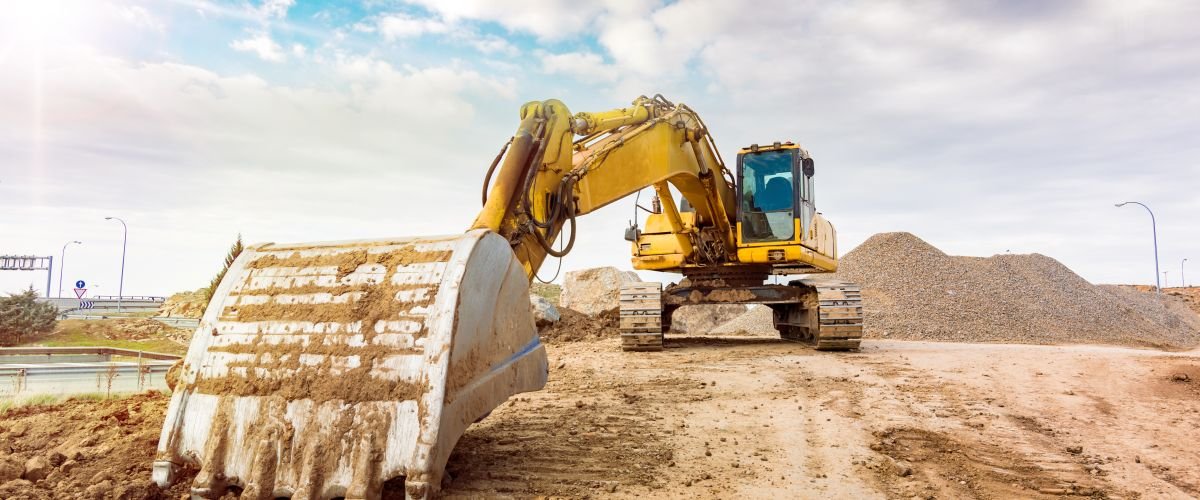
Excavator Operator
Excavator operators dig trenches, foundations, ponds, drainage systems, and utility lines. Precision and safety are essential in this role.
Bulldozer Operator
Bulldozer operators clear land, remove debris, level surfaces, and prepare construction sites before building begins.
Wheel Loader Operator
Wheel loaders transport gravel, sand, soil, asphalt, and other materials around construction sites.
Motor Grader Operator
Graders create smooth road surfaces and prepare land for paving projects.
Backhoe Operator
Backhoe operators perform digging, trenching, lifting, and loading tasks using versatile equipment suitable for many projects.
Crane Operator
Crane operators lift and position extremely heavy materials on construction sites. This role often requires additional certifications and extensive safety training.
Skid Steer Operator
Skid steer operators handle smaller construction jobs, landscaping, demolition work, and material handling in confined spaces.
Daily Responsibilities
Although duties vary depending on the project, heavy equipment operator jobs usually include:
- Operating heavy construction machinery safely
- Inspecting equipment before each shift
- Performing routine maintenance checks
- Reading site plans and work instructions
- Moving construction materials
- Digging foundations and trenches
- Leveling land
- Loading trucks
- Following workplace safety regulations
- Reporting equipment problems
- Working closely with supervisors and crew members
Attention to detail is essential because even small mistakes can lead to costly delays or safety hazards.
Skills Needed for Heavy Equipment Operator Jobs
Successful operators possess a combination of technical knowledge and practical skills.
Mechanical Knowledge
Understanding how heavy machinery works helps operators identify problems before they become serious.
Hand-Eye Coordination
Operating large equipment requires precise movements and excellent coordination.
Communication Skills
Operators regularly communicate with supervisors, spotters, truck drivers, and other workers.
Physical Stamina
Although much of the work involves sitting in equipment, operators still need endurance for long shifts and outdoor conditions.
Problem-Solving
Construction sites change frequently, requiring operators to adapt quickly.
Safety Awareness
Following safety procedures protects workers, equipment, and the project itself.
Education Requirements
Most heavy equipment operator jobs require:
- High school diploma or equivalent (preferred by many employers)
- On-the-job training
- Equipment operation training
- Safety certification
Some companies hire beginners and provide training, while others prefer applicants with previous experience.
Heavy Equipment Operator Training Programs
Many people enter the profession through specialized training schools.
Training programs often cover:
- Equipment controls
- Excavation techniques
- Site preparation
- Equipment maintenance
- OSHA safety standards
- Reading construction plans
- Soil types
- Hydraulic systems
Practical hands-on experience is one of the most valuable parts of professional training.
Certifications That Improve Employment Opportunities
Although requirements vary by location, certifications can increase job prospects.
Popular certifications include:
- OSHA Safety Training
- Commercial Driver’s License (CDL) if transporting equipment
- NCCCO Certification (for crane operators)
- First Aid and CPR
- Employer-specific equipment certifications
Certified operators often have access to higher-paying positions.
Average Salary for Heavy Equipment Operator Jobs
Salary depends on experience, location, certifications, and industry.
Typical annual salary ranges include:
- Entry-Level Operators: $40,000–$55,000
- Experienced Operators: $55,000–$75,000
- Specialized Operators: $75,000–$100,000+
Operators working in mining, oil and gas, or large infrastructure projects may earn even higher wages, especially when overtime and travel allowances are included.
Industries That Hire Heavy Equipment Operators
Heavy equipment operators are needed in many industries.
Common employers include:
- Construction companies
- Road and highway contractors
- Mining companies
- Oil and gas firms
- Utility contractors
- Demolition companies
- Agricultural businesses
- Forestry companies
- Government agencies
- Railroad contractors
Because infrastructure projects continue throughout the year, skilled operators remain in demand.
Benefits of Becoming a Heavy Equipment Operator
Many workers choose this career because it offers several advantages.
Strong Job Demand
Infrastructure development creates ongoing employment opportunities.
Competitive Income
Experienced operators can earn attractive salaries with overtime opportunities.
No Four-Year Degree Required
Many operators begin their careers through trade schools or apprenticeships instead of traditional universities.
Career Advancement
Operators can eventually become:
- Site supervisors
- Equipment trainers
- Fleet managers
- Construction foremen
- Project managers
- Safety coordinators
Diverse Work Environment
Every construction project presents new challenges and experiences.
Challenges of Heavy Equipment Operator Jobs
Like any profession, this career has challenges.
Common difficulties include:
- Working outdoors in various weather conditions
- Long workdays during busy seasons
- Strict safety requirements
- Physically demanding environments
- Early morning schedules
- Noise and dust exposure
Despite these challenges, many professionals enjoy the hands-on nature of the work.
How to Find Heavy Equipment Operator Jobs
There are many ways to begin your job search.
Search Online Job Boards
Use trusted employment websites that regularly post construction and equipment operator positions.
Apply to Local Construction Companies
Many employers hire directly through their company websites or offices.
Join Apprenticeship Programs
Apprenticeships combine classroom instruction with paid work experience.
Network with Industry Professionals
Attending construction career fairs and trade events can lead to valuable connections.
Build a Professional Resume
Highlight your certifications, equipment experience, safety training, and mechanical skills.
Tips for Getting Hired
If you’re applying for heavy equipment operator jobs, these tips can improve your chances:
- Complete formal equipment training.
- Earn recognized safety certifications.
- Practice operating multiple machine types.
- Keep your resume updated.
- Maintain a clean driving record.
- Demonstrate reliability and punctuality.
- Emphasize teamwork and communication skills during interviews.
- Be willing to work flexible schedules or travel for projects.
Employers often value attitude and safety awareness as much as technical ability.
Future Job Outlook
The future for heavy equipment operator jobs remains promising. Governments and private companies continue investing in transportation systems, renewable energy projects, commercial buildings, housing developments, and utility infrastructure.
As experienced operators retire, demand for trained replacements is expected to remain steady, creating opportunities for newcomers entering the industry.
Additionally, advances in equipment technology mean operators who continue learning new systems and GPS-assisted machinery will have an advantage in the job market.
Final Thoughts
Heavy equipment operator jobs offer a stable and rewarding career for individuals who enjoy practical, hands-on work. With competitive salaries, strong employment demand, and opportunities to specialize in different types of machinery, this profession continues to attract people seeking long-term career growth.
Whether you want to operate excavators, bulldozers, loaders, cranes, or graders, investing in proper training, safety certifications, and real-world experience can help you build a successful future in the construction industry. As infrastructure projects continue to grow across the country, skilled heavy equipment operators will remain an essential part of building roads, bridges, buildings, and communities for years to come.