Introduction
The cash and carry business model has been a cornerstone of wholesale shopping for decades. Designed primarily for businesses, retailers, restaurants, hotels, and independent shop owners, cash and carry stores offer products at competitive wholesale prices without requiring long-term contracts or credit accounts. Customers simply visit the store, choose the items they need, pay immediately, and transport the goods themselves.
Today, cash and carry warehouses have evolved beyond serving only business owners. Many locations also welcome individual shoppers who want to purchase groceries, household essentials, office supplies, and bulk products at affordable prices.
What Is Cash and Carry?
Cash and carry is a wholesale retail system where customers purchase products by paying at the time of purchase and taking the goods with them immediately. Unlike traditional wholesalers that often provide delivery services or offer payment on credit, cash and carry businesses operate on a straightforward model:
- Customers visit the warehouse.
- Select products directly from shelves.
- Pay at checkout.
- Carry purchased items home or to their business.
Because operating costs are generally lower, cash and carry stores can often offer competitive pricing compared to traditional retail outlets.
How Does Cash and Carry Work?
The process is simple and efficient.
Step 1: Visit the Store
Customers enter a warehouse-style store where products are organized into different departments.
Step 2: Browse Products
Unlike traditional wholesalers, customers can physically inspect products before purchasing.
Step 3: Choose Quantities
Buyers may purchase individual items or larger quantities depending on their needs.
Step 4: Checkout
Payment is made immediately using cash, debit cards, credit cards, or approved digital payment methods.
Step 5: Transport Goods
Customers load the purchased products into their own vehicle.
This self-service model helps businesses reduce operating expenses, allowing them to pass savings on to customers.
Who Uses Cash and Carry Stores?
Cash and carry businesses serve a wide variety of customers.
Small Business Owners
Convenience stores, grocery shops, bakeries, and local retailers often purchase inventory from cash and carry wholesalers.
Restaurants
Restaurants frequently buy ingredients, beverages, disposable packaging, and cleaning supplies in bulk.
Hotels
Hotels use cash and carry warehouses for food supplies, toiletries, paper products, and maintenance items.
Catering Companies
Catering businesses rely on wholesale purchasing to reduce operating costs.
Office Managers
Companies often buy office supplies, coffee, snacks, and cleaning products in bulk.
Individual Families
Many households shop at cash and carry stores to save money on frequently used products.
Benefits of Cash and Carry Shopping
There are many reasons why cash and carry remains popular.
Competitive Pricing
One of the biggest advantages is lower pricing.
Since customers transport products themselves and pay immediately, businesses save on:
- Delivery costs
- Credit processing
- Warehousing expenses
- Administrative work
These savings often result in lower prices.
Bulk Purchasing
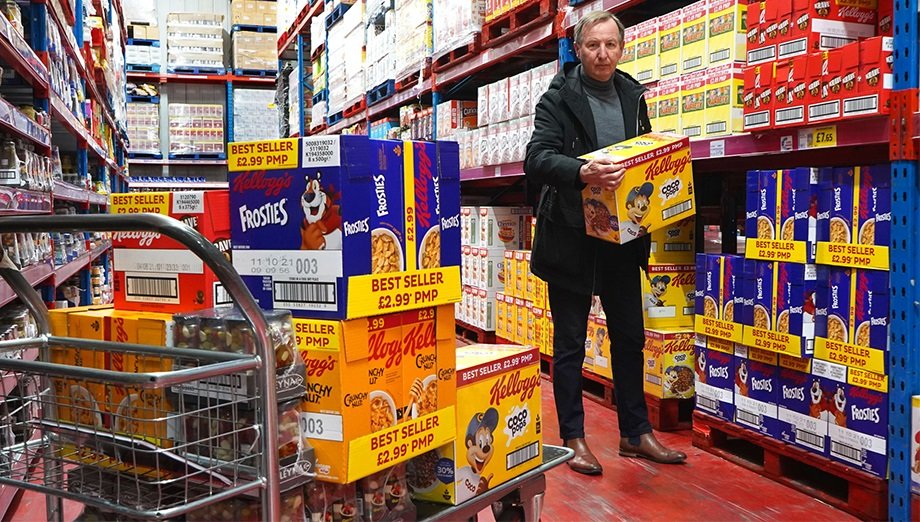
Buying in larger quantities usually reduces the cost per unit.
Popular bulk purchases include:
- Rice
- Flour
- Sugar
- Cooking oil
- Soft drinks
- Bottled water
- Toilet paper
- Cleaning supplies
Bulk buying helps businesses improve profit margins.
Immediate Availability
Unlike online wholesale orders that may require shipping time, cash and carry purchases are available immediately.
Customers leave the store with everything they need the same day.
Wide Product Selection
Most cash and carry warehouses stock thousands of products under one roof.
This allows shoppers to complete multiple purchases in a single trip.
Easy Inventory Management
Business owners can purchase inventory whenever needed instead of maintaining large warehouse storage.
This helps improve cash flow and reduces waste.
Common Products Available
Cash and carry stores usually carry products across multiple categories.
Fresh Food
- Fruits
- Vegetables
- Dairy products
- Meat
- Seafood
Dry Groceries
- Rice
- Pasta
- Flour
- Sugar
- Spices
Frozen Foods
- Frozen vegetables
- Ice cream
- Ready-made meals
Beverages
- Water
- Juice
- Coffee
- Tea
- Soft drinks
Cleaning Supplies
- Detergents
- Floor cleaners
- Glass cleaners
- Disinfectants
Office Supplies
- Paper
- Pens
- Printer ink
- Files
- Packaging materials
Household Products
- Kitchen items
- Storage containers
- Disposable plates
- Paper towels
Why Businesses Prefer Cash and Carry
Businesses appreciate flexibility.
Instead of signing long contracts or ordering minimum quantities from distributors, they can buy only what they currently need.
Advantages include:
- Better cash flow
- Lower inventory costs
- Flexible purchasing
- Immediate stock availability
- Better control over expenses
Small businesses especially benefit because they avoid unnecessary storage costs.
Cash and Carry vs. Traditional Retail
Although both sell products directly to customers, there are several differences.
| Feature | Cash and Carry | Traditional Retail |
|---|---|---|
| Pricing | Often wholesale pricing | Retail pricing |
| Purchase Quantity | Single or bulk | Usually single items |
| Payment | Immediate | Immediate |
| Delivery | Customer transports goods | Sometimes available |
| Target Customers | Businesses and consumers | Mostly consumers |
Cash and carry stores generally focus on providing value through volume and efficiency.
Cash and Carry vs. Online Wholesale
Online wholesale shopping has become increasingly popular, but cash and carry still offers unique advantages.
Cash and Carry Advantages
- Immediate pickup
- No shipping delays
- Product inspection before purchase
- No delivery fees
- Easy product comparison
Online Wholesale Advantages
- Home delivery
- Convenient ordering
- Larger geographic reach
Many businesses combine both methods depending on their purchasing needs.
Tips for Saving More at Cash and Carry Stores
Plan Ahead
Create a shopping list before visiting the store.
Impulse purchases can increase expenses.
Compare Unit Prices
Instead of looking only at package prices, compare the cost per ounce, pound, or liter.
This helps identify the best value.
Buy Frequently Used Items
Bulk purchasing works best for products you regularly use.
Avoid buying large quantities of items that may expire before use.
Watch Seasonal Promotions
Many cash and carry stores offer discounts during holidays and seasonal sales.
Planning purchases around promotions can increase savings.
Store Products Properly
Proper storage helps reduce waste and extends product shelf life.
This is especially important for food products.
Technology in Modern Cash and Carry Stores
Today’s cash and carry businesses are embracing technology to improve customer experiences.
Modern features include:
- Digital price displays
- Mobile shopping apps
- Online inventory checking
- Self-checkout systems
- Digital payment options
- Loyalty programs
- Electronic receipts
These innovations make shopping faster and more convenient.
Is Cash and Carry Right for You?
Cash and carry shopping is an excellent option if you:
- Own a small business
- Operate a restaurant
- Manage an office
- Buy groceries for a large family
- Want lower prices through bulk purchases
- Prefer immediate product availability
However, if you have limited storage space or only need a few items occasionally, traditional retail stores may sometimes be more practical.
The Future of Cash and Carry
As consumer expectations continue to evolve, cash and carry businesses are adapting by combining traditional warehouse shopping with modern digital services.
Future trends may include:
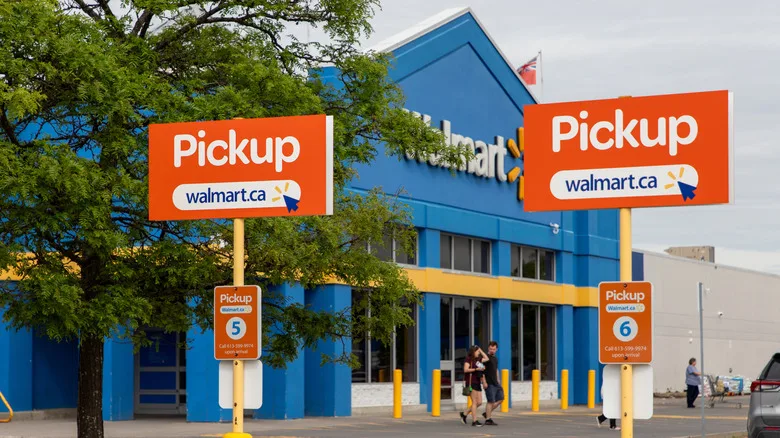
- Expanded online ordering with in-store pickup
- Smarter inventory management using AI
- Faster checkout technology
- Eco-friendly packaging
- Personalized promotions based on shopping history
- Enhanced mobile applications
These improvements will help cash and carry businesses remain competitive while continuing to offer value to both commercial and individual customers.
Conclusion
The cash and carry model has proven its value by providing businesses and consumers with an efficient, affordable, and flexible way to shop. By allowing customers to purchase products at competitive prices and take them immediately, these stores reduce operational costs while offering significant savings.
Whether you run a restaurant, own a retail shop, manage an office, or simply want to save money by buying household essentials in bulk, cash and carry stores offer a practical solution. Their combination of competitive pricing, extensive product selection, and immediate availability makes them an important part of today’s retail landscape.
As technology continues to improve the shopping experience, cash and carry businesses are well-positioned to remain a preferred choice for value-conscious shoppers. By planning purchases carefully, comparing prices, and buying only what you need, you can maximize the benefits of this proven wholesale shopping model and enjoy long-term savings.