Peacocks are among the most stunning birds in the world. Their vibrant feathers, dazzling colors, and graceful displays make them a favorite in parks, zoos, and wildlife sanctuaries. One of the most common questions people ask is: Can peacocks fly?
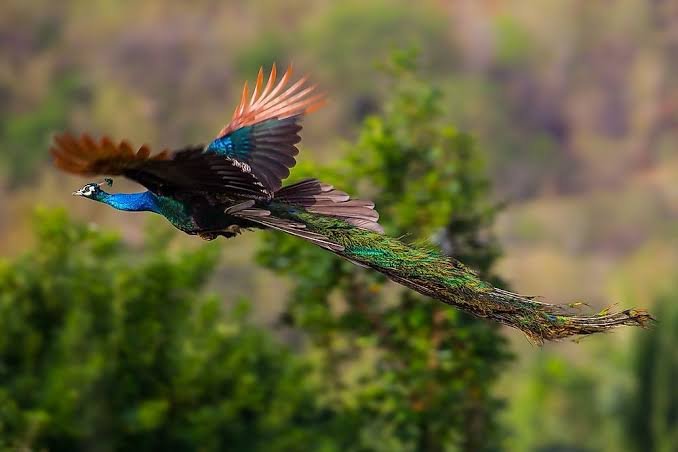
The simple answer is yes, peacocks can fly, but not in the same way as birds like eagles, hawks, or pigeons. Although their long, colorful tail feathers make them appear too heavy for flight, peacocks are surprisingly capable of flying short distances.
In this guide, we’ll explore how peacocks fly, why they don’t fly very often, how high they can go, and many other fascinating facts about these incredible birds.
Can Peacocks Fly?
Yes, peacocks can fly. Despite their large size and impressive tail feathers, peacocks are capable of short bursts of flight. They typically fly to escape predators, reach tree branches for sleeping, or cross obstacles.
Unlike migratory birds that spend hours soaring through the sky, peacocks prefer staying on the ground where they search for food. Their flight is quick, powerful, and usually lasts only a few seconds.
This ability surprises many people because the peacock’s magnificent tail creates the illusion that flying would be impossible. However, nature has designed these birds remarkably well.
What Is a Peacock?
Technically, the word peacock refers only to the male bird. The female is called a peahen, and together they are known as peafowl.
There are three primary species of peafowl:
- Indian Peafowl
- Green Peafowl
- Congo Peafowl
The Indian Peacock is the most recognizable species thanks to its brilliant blue body and colorful tail filled with eye-shaped patterns.
How Do Peacocks Fly?
Although their flight isn’t elegant for long distances, peacocks have very powerful wings.
Their flight usually follows these steps:
- They begin with a fast running start.
- Strong wingbeats lift their body.
- They glide toward a nearby tree or elevated location.
- They land carefully using their feet for balance.
The long tail isn’t actually the main source of lift. Instead, their muscular wings provide the necessary power, while the tail mainly helps with balance during flight.
How High Can Peacocks Fly?
Peacocks can usually fly high enough to reach tall trees, rooftops, or fences.
In the wild, they often fly 20 to 40 feet into tree branches where they safely spend the night.
Some peacocks can briefly reach even greater heights when escaping danger, but they rarely remain airborne for long periods.
How Far Can Peacocks Fly?
Peacocks are not built for long-distance travel.
Generally, they fly:
- Around 100 to 300 meters in one flight
- From the ground to tree branches
- Across rivers or fences
- Away from predators
After landing, they usually continue walking instead of flying again.
Why Don’t Peacocks Fly Often?
There are several reasons why peacocks prefer walking.
Heavy Body
Adult peacocks weigh between 8 and 13 pounds. Their body size requires significant energy for flight.
Long Decorative Tail
The beautiful train of feathers is excellent for attracting mates but creates extra drag during flight.
Easy Access to Food
Peacocks find most of their food on the ground, including:
- Seeds
- Fruits
- Flowers
- Small insects
- Lizards
- Snakes
Since food is easily available below, flying isn’t necessary most of the time.
Energy Conservation
Flying consumes a great deal of energy. Walking is much more efficient for their daily activities.
Why Do Peacocks Fly Into Trees?
One of the most common reasons peacocks fly is to sleep.
Roosting in trees helps protect them from predators like:
- Foxes
- Wild dogs
- Leopards
- Jackals
- Large snakes
High branches provide safety throughout the night, allowing them to rest without constant danger.
Can Female Peacocks Fly?
Yes.
Peahens are actually better flyers than males.
Because females lack the long decorative tail, they are lighter and more agile. Their flights are often smoother and slightly longer than those of male peacocks.
Do Baby Peacocks Fly?
Baby peafowl, known as peachicks, cannot fly immediately after hatching.
As they grow:
- Their wing muscles strengthen.
- Feathers develop fully.
- Flight skills improve through practice.
Young birds usually begin making short flights within a few weeks before gradually learning to reach higher branches.
Can Peacocks Fly Like Eagles?
No.
Peacocks and eagles are designed for completely different lifestyles.
| Peacock | Eagle |
|---|---|
| Short flights | Long-distance soaring |
| Heavy body | Lightweight for gliding |
| Ground feeder | Skilled aerial hunter |
| Sleeps in trees | Hunts from the sky |
Eagles can stay airborne for hours, while peacocks fly only when necessary.
How Fast Can Peacocks Fly?
Although they don’t fly very long, peacocks are surprisingly fast.
During short flights, they may reach speeds of approximately 10 to 16 miles per hour (16–25 km/h) depending on conditions.
Their quick takeoff helps them escape sudden threats.
Are Peacocks Good Flyers?
Compared to many bird species, peacocks are average flyers.
They are excellent at:
- Flying into trees
- Escaping predators
- Crossing obstacles
- Short gliding flights
However, they are poor at:
- Long-distance travel
- High-altitude flying
- Continuous flight
Their body structure favors brief bursts of power rather than endurance.
Interesting Facts About Peacock Flight
Here are some fascinating facts many people don’t know.
The Tail Isn’t Made for Flying
The colorful feathers are used almost entirely for attracting females during mating season.
They Lose Tail Feathers Every Year
Male peacocks naturally shed their long train after breeding season and regrow it before the next mating season.
Strong Wing Muscles
Despite their appearance, peacocks possess surprisingly powerful chest muscles that support rapid takeoffs.
They Prefer Running
If danger is far away, peacocks usually run instead of flying because it requires less energy.
Where Do Wild Peacocks Live?
Wild peafowl are commonly found in:
- India
- Sri Lanka
- Nepal
- Myanmar
- Pakistan
Today, they also live in many other countries where humans have introduced them, including parks, estates, and wildlife reserves.
What Do Peacocks Eat?
Peacocks are omnivores, meaning they eat both plants and animals.
Their diet includes:
- Grass
- Seeds
- Berries
- Fruits
- Flowers
- Insects
- Ants
- Beetles
- Worms
- Small reptiles
- Frogs
- Tiny snakes
Their varied diet helps them survive in many different habitats.
Do Peacocks Migrate?
No.
Peacocks are non-migratory birds.
They generally remain within the same territory throughout the year, moving only short distances in search of food or shelter.
Can Peacocks Escape From Enclosures?
Yes.
Because peacocks can fly over fences, owners often build tall enclosures or trim certain wing feathers (without harming the bird) to prevent escape.
Proper housing is essential for domesticated peafowl.
Why Are Peacock Feathers So Colorful?
The incredible colors are not entirely due to pigments.
Instead, microscopic structures inside the feathers reflect and scatter light, creating brilliant shades of blue, green, and gold through a phenomenon called structural coloration.
This natural effect changes slightly depending on the viewing angle.
Frequently Asked Questions
Can peacocks really fly?
Yes. Peacocks are capable of flying short distances despite their large tails.
How high can peacocks fly?
They usually fly high enough to reach tree branches, rooftops, or elevated resting places.
Why do peacocks fly into trees?
They sleep in trees to stay safe from predators during the night.
Can peacocks fly long distances?
No. Their flights are short and typically last only a few seconds.
Are peahens better flyers?
Yes. Female peafowl are lighter because they lack the male’s long ornamental tail, making flight easier.
Do peacocks fly every day?
Many peacocks make short flights daily when moving to nighttime roosts, but they spend most of the day walking.
Conclusion
So, can peacocks fly? Absolutely. Although they aren’t built for long-distance flight, peacocks are more capable in the air than many people realize. Their strong wings allow them to launch quickly, glide over obstacles, and reach high tree branches where they spend the night safely.
Their breathtaking tail feathers may seem like a disadvantage, but evolution has balanced beauty with function. Peacocks rely on short, powerful flights when necessary while spending most of their lives walking across forests, grasslands, and gardens in search of food.
Understanding how peacocks fly helps us appreciate these magnificent birds even more. They are not only symbols of beauty but also fascinating examples of nature’s ability to combine elegance, survival, and adaptability in one remarkable species.