Introduction
The issue of hostages in Gaza has become one of the most discussed humanitarian concerns in recent years. Families separated from loved ones, ongoing negotiations, international diplomatic efforts, and the broader conflict have made this a subject of global attention. Every hostage represents an individual life, a family waiting for answers, and a reminder of the human cost of armed conflict.
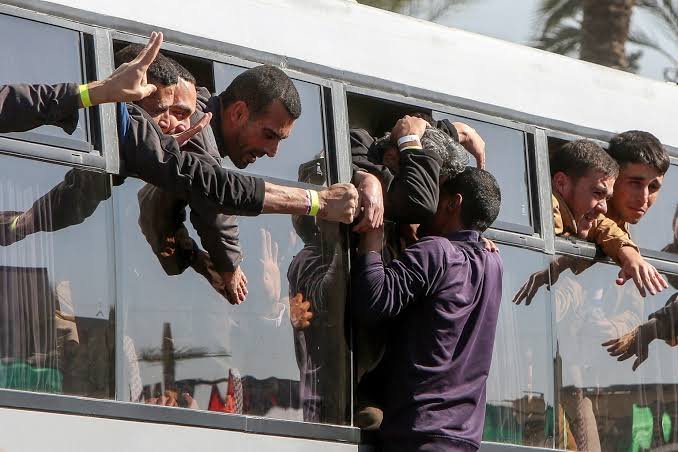
Since the escalation of violence in October 2023, hundreds of people have been taken hostage, while many have later been released through negotiations, prisoner exchanges, or rescue operations. Others have remained in captivity for extended periods, making their situation an ongoing concern for governments, humanitarian organizations, and the international community.
What Is the Hostage Crisis in Gaza?
The hostage crisis refers to civilians and military personnel who have been captured and held during the conflict involving Israel and armed groups operating in Gaza. Hostages have included men, women, children, elderly individuals, and people from multiple countries.
The situation gained worldwide attention after large-scale attacks in October 2023, when numerous individuals were taken into Gaza. Since then, governments, international organizations, and humanitarian agencies have worked toward securing their release.
The issue remains highly sensitive because it involves both humanitarian concerns and broader political negotiations connected to the ongoing conflict.
Why Hostages Matter in Armed Conflicts
Hostage situations create significant emotional and humanitarian challenges. Families often spend months without reliable information regarding the condition or location of their loved ones.
The effects include:
- Emotional trauma for families
- Psychological stress for hostages
- Diplomatic tensions between countries
- Increased pressure during peace negotiations
- Greater international attention on humanitarian issues
International humanitarian law emphasizes the protection of civilians during armed conflicts, making hostage situations a serious concern for the global community.
Humanitarian Impact
The humanitarian consequences extend far beyond the individuals being held.
Families Waiting for Answers
Families frequently organize campaigns, public demonstrations, and international appeals in hopes of securing the release of their relatives. Many describe the uncertainty as one of the most difficult aspects of the crisis.
Psychological Effects
Extended captivity can have lasting psychological consequences, including anxiety, depression, post-traumatic stress, and other mental health challenges. Family members also experience prolonged emotional distress.
Medical Concerns
Questions often arise regarding access to:
- Food
- Clean water
- Medical treatment
- Essential medications
- Communication with family members
Humanitarian organizations regularly call for safe access to civilians affected by conflict.
International Diplomatic Efforts
Numerous countries have participated in diplomatic discussions aimed at securing hostage releases.
These efforts typically involve:
- Direct negotiations
- Mediation by neutral countries
- Humanitarian agreements
- Temporary ceasefires
- Prisoner exchange discussions
Countries such as Qatar, Egypt, and the United States have played important mediation roles during different phases of negotiations.
Diplomatic progress is often slow because negotiations involve multiple complex political and security issues.
Role of International Organizations
Several international organizations monitor humanitarian conditions related to hostages and civilians.
Their responsibilities may include:
- Calling for the protection of civilians
- Promoting humanitarian access
- Supporting negotiations
- Monitoring compliance with international humanitarian law
- Providing assistance after hostages are released
Humanitarian agencies also advocate for medical care and protection for civilians affected by conflict on all sides.
Challenges in Negotiations
Negotiating hostage releases is rarely straightforward.
Common obstacles include:
Security Concerns
Active military operations can complicate communication and negotiations.
Political Differences
Parties involved often have different objectives, making agreements difficult.
Humanitarian Access
Obtaining reliable information regarding hostage conditions may be challenging.
Trust Issues
Negotiations require a certain level of trust between parties, which can be difficult during ongoing conflict.
Previous Hostage Releases
Several groups of hostages have been released through negotiated agreements.
Some releases occurred during temporary ceasefires, while others resulted from prisoner exchanges or humanitarian arrangements.
Each successful release has brought relief to affected families while also demonstrating that diplomacy can produce humanitarian outcomes, even in extremely difficult circumstances.
However, many negotiations have required weeks or months of preparation before agreements were reached.
Media Coverage
The hostage crisis has received extensive international media coverage.
News organizations report on:
- Negotiation updates
- Family interviews
- Government statements
- International diplomatic efforts
- Humanitarian concerns
Because the conflict changes rapidly, reporting often evolves as new verified information becomes available.
Readers are encouraged to rely on multiple reputable news sources when following ongoing developments.
International Humanitarian Law
International humanitarian law seeks to reduce suffering during armed conflicts.
Its principles include:
- Protection of civilians
- Humane treatment of detainees
- Medical assistance
- Respect for human dignity
- Access for humanitarian organizations where feasible
Many international organizations continue urging all parties involved in the conflict to respect these principles.
Global Reactions
Governments worldwide have expressed concern regarding the hostage situation.
Responses have included:
- Diplomatic initiatives
- Humanitarian appeals
- Public statements
- Support for mediation efforts
- Calls for civilian protection
Different countries may emphasize different priorities depending on their foreign policy positions, but humanitarian concerns surrounding civilians remain widely recognized.
Impact on Regional Stability
The hostage crisis affects more than the immediate conflict.
It influences:
- Regional diplomacy
- International relations
- Security policies
- Humanitarian operations
- Peace negotiations
Because hostages often become central issues in broader negotiations, their status can significantly affect diplomatic progress.
Support for Families
Many communities and organizations provide assistance to families affected by hostage situations.
Support may include:
- Psychological counseling
- Legal guidance
- Community advocacy
- Humanitarian assistance
- International awareness campaigns
These efforts aim to reduce the emotional burden while maintaining public attention on humanitarian concerns.
Looking Ahead
Future developments will depend on multiple factors, including diplomatic negotiations, humanitarian agreements, and broader efforts to reduce violence.
Experts generally agree that lasting solutions require sustained dialogue, humanitarian access, and protection of civilians.
While political disagreements remain significant, humanitarian concerns continue to encourage international mediation and diplomatic engagement.
Frequently Asked Questions
What does “hostages in Gaza” refer to?
It refers to civilians and military personnel captured during the conflict involving Israel and armed groups in Gaza.
Why is the hostage issue important?
It represents a major humanitarian concern affecting individuals, families, governments, and international diplomacy.
Who is involved in negotiations?
Negotiations have involved mediators such as Qatar, Egypt, and the United States, alongside the parties directly involved in the conflict.
Why do negotiations take so long?
They involve security issues, political disagreements, humanitarian concerns, and complex diplomatic discussions.
How does the international community respond?
Governments and humanitarian organizations continue to support diplomatic efforts, humanitarian assistance, and the protection of civilians.
Conclusion
The hostages in Gaza crisis remains one of the most significant humanitarian issues connected to the ongoing conflict. Beyond politics and military developments, the situation highlights the experiences of individuals and families whose lives have been profoundly affected.
Efforts to secure the release of hostages continue through diplomacy, mediation, and humanitarian initiatives. While progress has occurred at different stages, the situation remains dynamic and closely watched around the world. Continued international engagement, humanitarian support, and dialogue remain important components of addressing the crisis while seeking greater protection for civilians affected by the conflict.