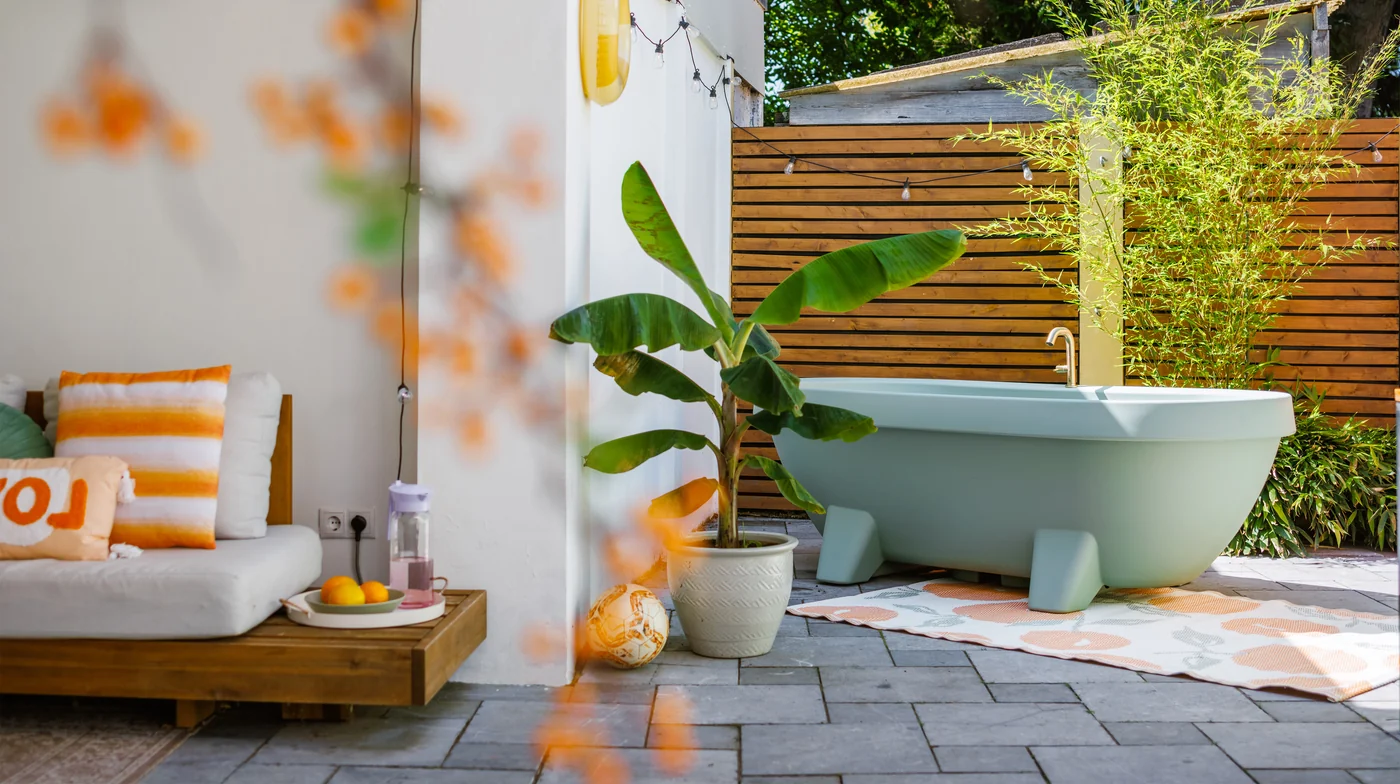
A relaxing bath is one of the simplest ways to unwind after a long day, and nothing enhances that experience quite like a garden tub. Designed with comfort, space, and elegance in mind, garden tubs have become a popular feature in modern homes. Whether you’re remodeling your bathroom or building a new home, adding a garden tub can improve both your comfort and your home’s value.
Unlike standard bathtubs, garden tubs are larger, deeper, and built specifically for soaking. Their spacious design allows users to stretch out comfortably, creating a spa-like atmosphere without leaving home. Over the years, these tubs have evolved in style and functionality, making them suitable for both traditional and contemporary bathrooms.
In this guide, you’ll learn everything you need to know about garden tubs, including their benefits, different styles, installation considerations, maintenance tips, and how to choose the best one for your needs.
What Is a Garden Tub?
A garden tub is a large soaking bathtub designed primarily for relaxation rather than quick bathing. The name originated from older homes where oversized tubs were often placed near large windows overlooking gardens or outdoor landscapes. Today, the term refers to any deep soaking tub that provides extra room and comfort.
Most garden tubs are significantly wider and deeper than conventional bathtubs. They are ideal for people who enjoy long, relaxing baths and want a luxurious bathing experience at home.
Benefits of a Garden Tub
Installing a garden tub offers several advantages beyond simple aesthetics.
Superior Comfort
The extra depth and width allow you to immerse your entire body in warm water. Unlike smaller tubs, a garden tub provides plenty of room to stretch out and relax.
Creates a Spa-Like Experience
Many homeowners choose garden tubs because they transform an ordinary bathroom into a personal spa. Add scented candles, bath salts, and soft lighting, and your bathroom instantly becomes a peaceful retreat.
Increases Home Value
Luxury bathroom features often attract potential buyers. A well-installed garden tub can increase the appeal of your home, especially in master bathrooms.
Perfect for Stress Relief
Warm water helps relax muscles, improve circulation, and reduce stress. Taking regular baths can contribute to better relaxation after work or physical activity.
Elegant Appearance
Garden tubs create a focal point in the bathroom. Their large size and stylish design instantly enhance the overall look of the space.
Types of Garden Tubs
There are several types of garden tubs available, each offering unique advantages.
Freestanding Garden Tub
Freestanding tubs are among the most popular choices for modern homes. They stand independently without being attached to walls or surrounding structures.
Advantages include:
- Elegant appearance
- Flexible placement
- Easy to become the room’s centerpiece
- Available in various shapes and materials
Drop-In Garden Tub
Drop-in tubs are installed inside a custom-built deck or platform.
Benefits include:
- Clean built-in appearance
- Additional storage space around the tub
- Easy integration into large bathrooms
- Highly customizable designs
Corner Garden Tub
Corner tubs maximize available space while providing generous soaking room.
These tubs are excellent for:
- Large master bathrooms
- Efficient corner utilization
- Couples who enjoy larger soaking areas
Oval Garden Tub
Oval-shaped tubs remain one of the most comfortable options due to their smooth interior curves.
They offer:
- Comfortable seating position
- Timeless appearance
- Modern design
- Easy cleaning
Materials Used in Garden Tubs
Choosing the right material affects durability, maintenance, and overall appearance.
Acrylic
Acrylic is lightweight, affordable, and highly popular.
Advantages:
- Easy installation
- Excellent heat retention
- Smooth surface
- Resistant to fading
- Easy to repair
Fiberglass
Fiberglass tubs are among the most budget-friendly options.
Pros include:
- Lightweight
- Affordable
- Simple installation
However, they may scratch more easily than acrylic models.
Cast Iron
Cast iron tubs are known for exceptional durability.
Benefits:
- Outstanding heat retention
- Extremely durable
- Classic appearance
Their primary drawback is weight, requiring stronger floor support.
Stone Resin
Stone resin combines natural stone with modern resins to create premium bathtubs.
Advantages include:
- Luxurious appearance
- Excellent durability
- Superior heat retention
- Smooth finish
Choosing the Right Size
Garden tubs come in many sizes, making it important to measure your bathroom carefully before purchasing.
Consider:
- Bathroom dimensions
- Doorway clearance
- Plumbing location
- Floor strength
- Available walking space
Larger isn’t always better. Select a size that provides comfort without overwhelming the room.
Best Location for a Garden Tub
Placement significantly impacts both appearance and functionality.
Popular locations include:
- Near large windows
- Center of the bathroom
- Corner installations
- Beside a walk-in shower
- Adjacent to decorative walls
Proper placement can maximize natural light while creating a relaxing environment.
Installation Considerations
Installing a garden tub involves more than simply placing it in position.
Important factors include:
Plumbing
Ensure water supply and drainage lines are properly positioned before installation begins.
Floor Support
Filled with water and occupants, garden tubs become extremely heavy. Verify that your floor structure can safely support the additional weight.
Water Heater Capacity
Because garden tubs hold considerably more water than standard tubs, your home’s water heater should have enough capacity to provide a comfortable soaking experience.
Professional Installation
Although some homeowners attempt DIY installation, hiring an experienced installer often prevents costly plumbing mistakes and ensures long-term performance.