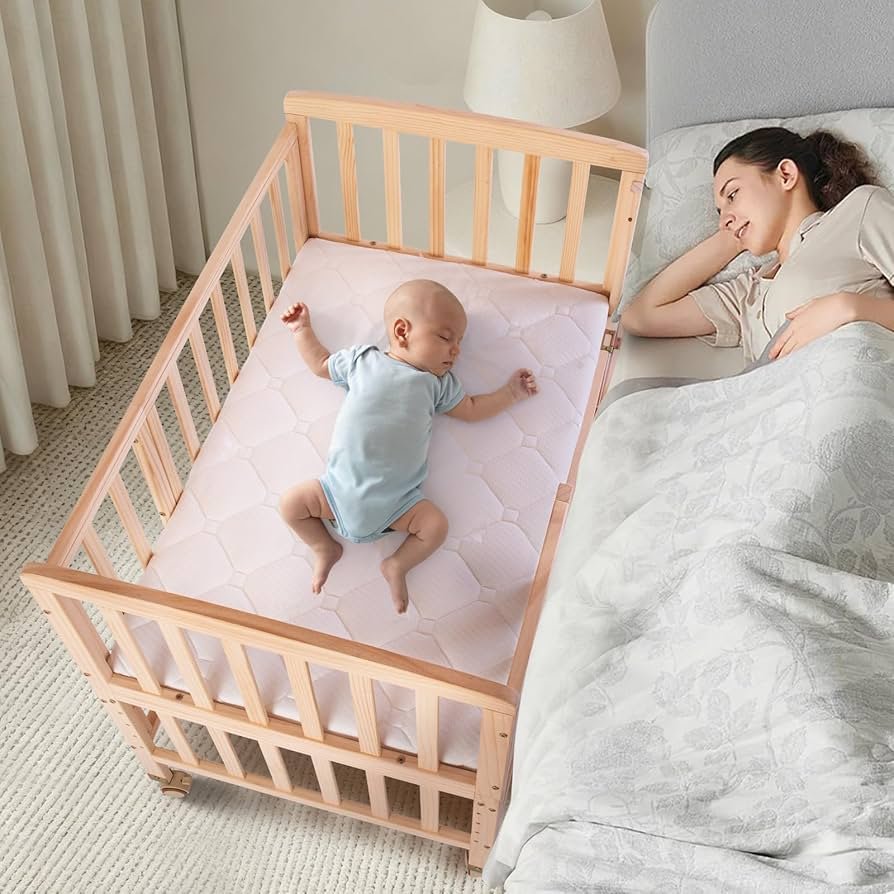
Mini Crib: A Smart and Safe Sleeping Solution for Your Baby
Preparing for a new baby is an exciting journey, and one of the biggest decisions parents make is choosing the right sleeping space. While traditional cribs remain a popular choice, many families are now turning to the mini crib because of its compact design, affordability, and versatility. Whether you live in a small apartment, want a crib for your nursery, or need an extra sleeping space for grandparents’ homes, a mini crib can be an excellent investment.
What Is a Mini Crib?
A mini crib is a smaller version of a standard baby crib. It is specifically designed for newborns and infants while taking up less floor space than a full-size crib.
Although compact, mini cribs are built to meet the same safety standards as standard cribs when purchased from reputable manufacturers. Many models include adjustable mattress heights, locking wheels, and convertible features that increase their practicality.
Mini cribs are especially popular among parents living in apartments, condos, or homes with limited nursery space.
Mini Crib Dimensions
One of the biggest differences between a mini crib and a standard crib is its size.
Typical mini crib dimensions include:
- Length: 38–43 inches
- Width: 24–28 inches
- Height: 34–40 inches
By comparison, a standard crib is approximately:
- Length: 52 inches
- Width: 28 inches
The smaller footprint makes a mini crib much easier to fit into compact bedrooms.
Benefits of Choosing a Mini Crib
There are many reasons why parents prefer mini cribs.
Perfect for Small Spaces
Not everyone has a large nursery. A mini crib fits comfortably in:
- Apartments
- Small bedrooms
- Studio homes
- Shared bedrooms
- Vacation homes
Its compact design helps maximize available floor space.
Budget-Friendly
Mini cribs often cost less than traditional cribs.
Parents also save money because:
- Smaller mattresses are usually less expensive.
- Mini crib sheets use less fabric.
- Some convertible models eliminate the need for another bed during infancy.
Easy to Move
Many mini cribs include lockable caster wheels.
This allows parents to move the crib between rooms during the day without lifting heavy furniture.
Being able to keep your baby nearby is especially convenient during the newborn stage.
Modern Appearance
Mini cribs are available in various styles including:
- Modern
- Farmhouse
- Scandinavian
- Traditional
- Minimalist
Popular colors include:
- White
- Natural Wood
- Gray
- Espresso
- Black
This makes it easy to match almost any nursery theme.
Mini Crib vs Standard Crib
Understanding the differences helps parents choose the right option.
| Feature | Mini Crib | Standard Crib |
|---|---|---|
| Size | Compact | Larger |
| Best For | Small rooms | Larger nurseries |
| Portability | Excellent | Limited |
| Mattress Size | Smaller | Standard |
| Cost | Usually lower | Usually higher |
| Space Required | Less | More |
If space is limited, a mini crib is often the better choice.
Who Should Buy a Mini Crib?
Mini cribs are ideal for:
- First-time parents
- Apartment living
- Small nurseries
- Grandparents
- Daycare centers
- Guest bedrooms
- Travel homes
Many parents also use them as a second crib inside another room.
Mini Crib Safety Features
Safety should always come first.
Look for these features:
Adjustable Mattress Height
Most quality mini cribs provide two or three mattress positions.
Higher positions make it easier to lift newborns.
Lower positions improve safety once babies begin standing.
Strong Construction
Choose cribs made from:
- Solid wood
- Durable hardwood
- High-quality engineered wood
A sturdy frame provides long-term stability.
Non-Toxic Finish
Baby furniture should use non-toxic paints and finishes.
Look for products that meet safety certifications.
Fixed Sides
Modern cribs no longer use drop-side rails because fixed sides provide greater safety.
Smooth Edges
Rounded corners reduce the chance of accidental bumps.
Choosing the Right Mini Crib Mattress
Not every mattress fits every mini crib.
The mattress should:
- Fit tightly.
- Leave no large gaps.
- Be firm.
- Provide proper infant support.
Soft mattresses increase safety risks.
Always purchase the correct size recommended by the crib manufacturer.
Mini Crib Bedding
Avoid overcrowding the crib.
Experts recommend using:
- Fitted sheet
- Firm mattress
Avoid placing:
- Pillows
- Blankets
- Stuffed animals
- Sleep positioners
- Large cushions
A simple sleep environment is considered the safest.
Convertible Mini Cribs
Many parents choose convertible mini cribs.
These models can transform into:
- Daybeds
- Toddler beds
- Twin beds (selected models)
Although they cost slightly more, they often provide better long-term value.
Cleaning a Mini Crib
Keeping your baby’s sleeping area clean helps maintain hygiene.
Simple cleaning routine:
- Wipe wood weekly.
- Wash fitted sheets regularly.
- Vacuum underneath the crib.
- Tighten screws monthly.
- Inspect wheels if applicable.
Avoid harsh chemicals during cleaning.
Common Mistakes to Avoid
Many parents unknowingly make mistakes when purchasing a crib.
Avoid:
Buying the Wrong Mattress
Incorrect mattress sizes create dangerous gaps.
Choosing Style Over Safety
Safety features should always be the priority.
Ignoring Weight Limits
Every crib has manufacturer guidelines.
Forgetting Future Growth
Some babies outgrow mini cribs sooner than others.
Consider a convertible model if you want longer use.
Decorating Around a Mini Crib
A mini crib works well with many nursery themes.
Popular ideas include:
- Neutral colors
- Soft lighting
- Floating shelves
- Minimal furniture
- Indoor plants placed safely away
- Personalized wall art
Keeping the room uncluttered creates a peaceful environment.
Is a Mini Crib Worth Buying?
For many families, the answer is yes.
A mini crib offers:
- Space-saving design
- Affordable pricing
- Attractive appearance
- Easy mobility
- Excellent functionality
- Safe sleeping environment
Parents who live in smaller homes especially appreciate its compact footprint.
Frequently Asked Questions
How long can a baby sleep in a mini crib?
Most babies can comfortably use a mini crib from birth until they reach the manufacturer’s height or weight limit, or when they begin climbing out.
Does a mini crib need a special mattress?
Yes. Mini cribs require a mattress specifically designed for their dimensions to ensure a secure fit.
Are mini cribs safe?
Yes. A mini crib that meets current safety standards and is assembled according to the manufacturer’s instructions can provide a safe sleep space for infants.
Can a mini crib fit through doorways?
Most mini cribs are narrow enough to move through standard interior doorways, especially models with locking wheels.
Is a mini crib better than a bassinet?
A bassinet is often used only for the first few months, while a mini crib typically accommodates a baby for a longer period, making it a practical option for many families.
Tips Before Buying a Mini Crib
Before making your purchase:
- Measure your available space.
- Compare mattress sizes.
- Read customer reviews.
- Check safety certifications.
- Consider adjustable mattress heights.
- Decide if you want a convertible model.
- Verify the crib’s weight and height limits.
- Choose a finish that complements your nursery.
These steps can help you find a mini crib that meets both your space requirements and your baby’s needs.
Final Thoughts
A mini crib is an excellent choice for parents who want a compact, practical, and safe sleeping solution for their baby. Its space-saving design makes it ideal for apartments, smaller nurseries, and shared rooms without sacrificing comfort or essential safety features.
When selecting a mini crib, prioritize quality construction, a properly fitting firm mattress, and compliance with current safety standards. Features like adjustable mattress heights, lockable wheels, and convertible designs can add convenience and long-term value. By planning ahead and choosing a model that suits your home and lifestyle, you can create a comfortable sleeping environment that supports your baby’s early months while making the most of your available space.